Afrikaans
 Albanian
 Arabic
 Armenian
 Azerbaijani
 Basque
 Belarusian
 Bulgarian
 Catalan
 Chinese (Simplified)
- Chinese (Traditional)
 Croatian
 Czech
Czech Danish
 Dutch
Dutch English
 Estonian
 Filipino
 Finnish
 French
 Georgian
 German
 Greek
Greek Haitian Creole
 Hebrew
 Hindi
Hindi Hungarian
 Icelandic
 Indonesian
 Irish
Irish Italian
 Japanese
 Korean
 Latvian
 Lithuanian
 Macedonian
 Malay
Malay Malagasy
 Maltese
 Norwegian
 Persian
 Polish
 Portuguese
 Romanian
 Russian
 Serbian
 Slovak
 Slovenian
 Spanish
 Swedish
 Thai
Thai Turkish
 Ukrainian
 Urdu
Urdu Vietnamese


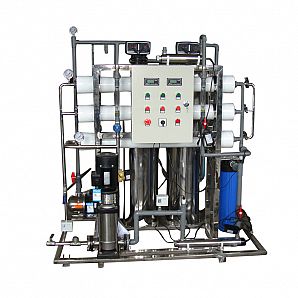
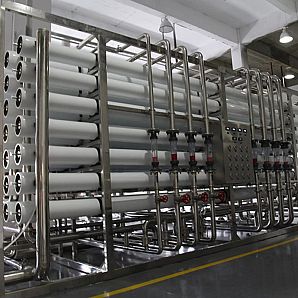
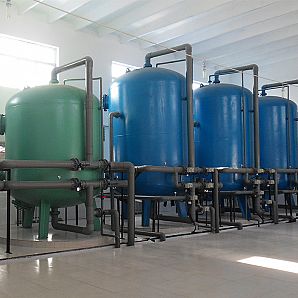

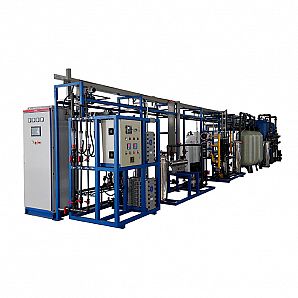
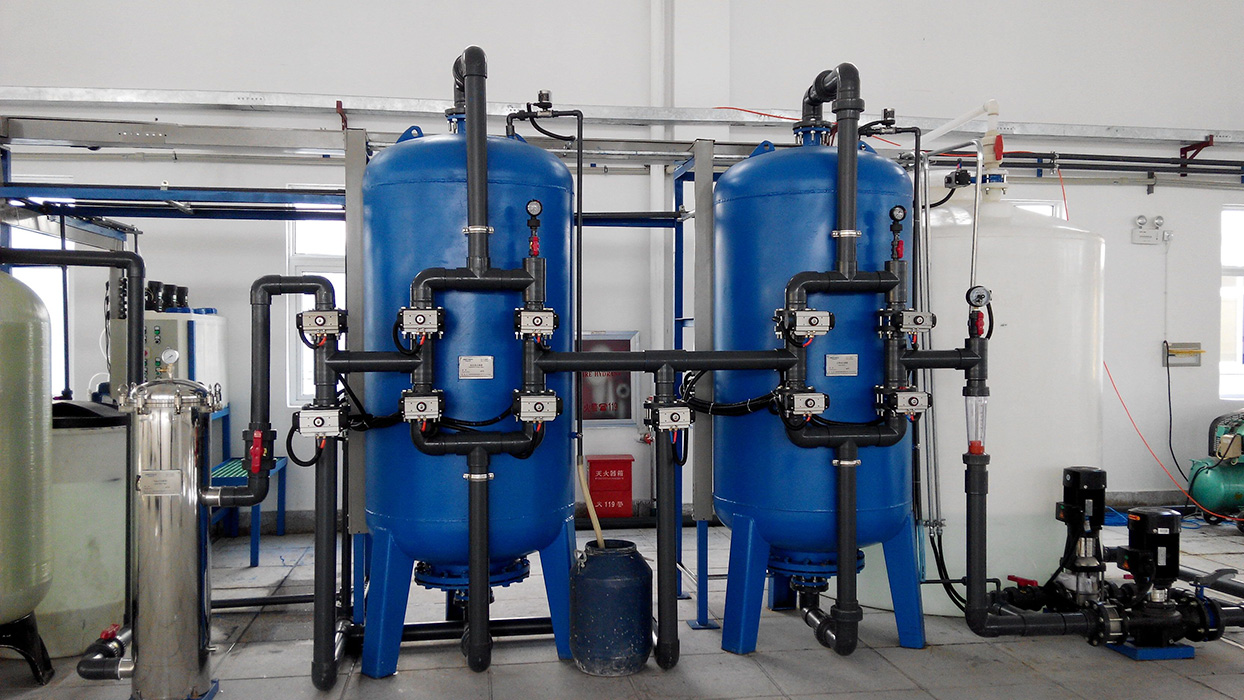
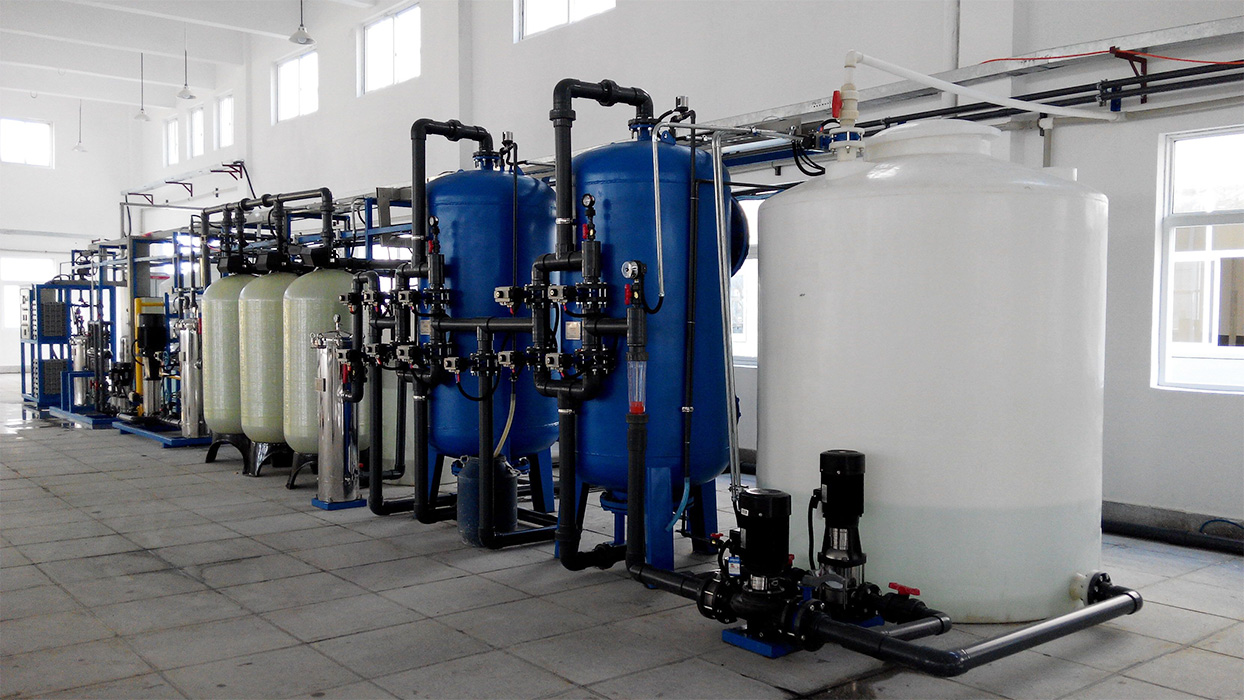
Product Introduction:
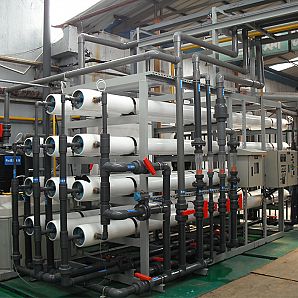
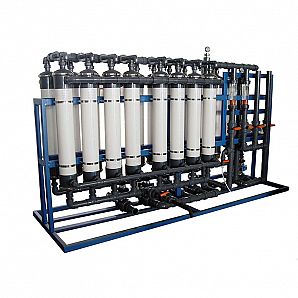
Ultrapure water (also UPW or high purity water) is water that has been purified to very stringent specifications. Ultrapure water is a term commonly used in the semiconductor industry that emphasizes the fact that water is treated to the highest purity for all types of pollutants, including: organic and inorganic compounds; dissolved and particulate matter; volatile and non-volatile Reactive and inert; hydrophilic and hydrophobic; and dissolved gases. In addition to water molecules (H2O), this water contains almost no impurities, no bacteria, viruses, chlorinated dioxins and other organic substances. UPW Technology Industries includes:
Power industry - boiler feed water
Rinse water for electronics and semiconductor industry
Industrial process water
Feature:
Industrial application modules capable of reaching 18MΩ∙cm product water resistivity
Modules covers flow rates from 0.8 m3/h to 15 m3/h
Low-cost EDI system building
Suitable for high flow rate systems
Small footprint – suitable for operation inside containers
Easy maintenance
Modularity and redundancy – modules in the shape of cubes with different options of interconnection
Option for direct discharge of electrode stream
Technical Process: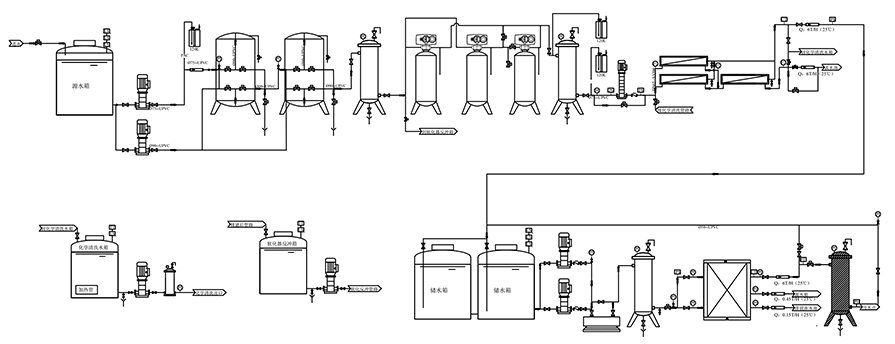
Part Function Introduction:
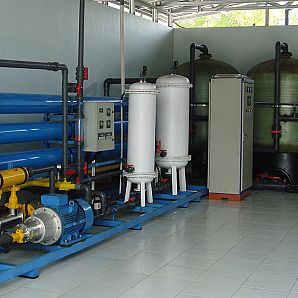
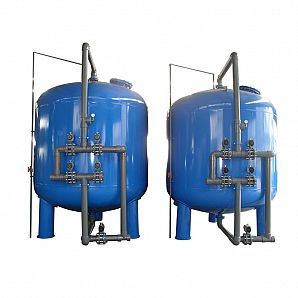
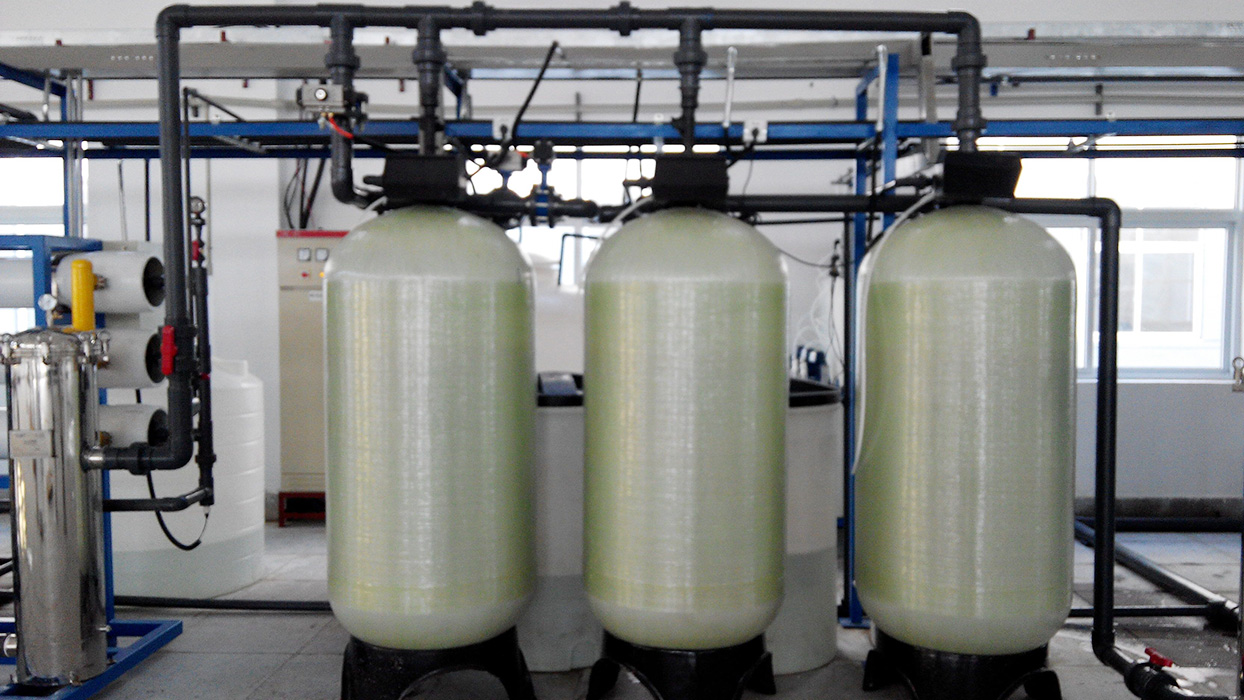
1. Pre-treatment: pre-treatment of raw water to improve the quality of water supply to meet the requirements, reduce and delay membrane pollution, and prolong its life. The objects it treats are mainly microorganisms, bacteria, colloids, organic matter and heavy metals in the water. Ions, solid particles, and free chlorine.
2. Reverse osmosis device: The separation pore diameter of the membrane is 10-6cm-10-7cm, which can remove organic matters (such as trihalomethane intermediates, colloids, suspended matter, microorganisms, bacteria, algae, molds, etc.), heat sources, and viruses Water and other substances, the water after the first three stages of pretreatment of the fluid is deeply separated and processed by the reverse osmosis RO membrane host, so that the water that is beneficial to human health is passed, and the water that is not good for human health is eliminated, and pure water is produced to enter the pure water tank.
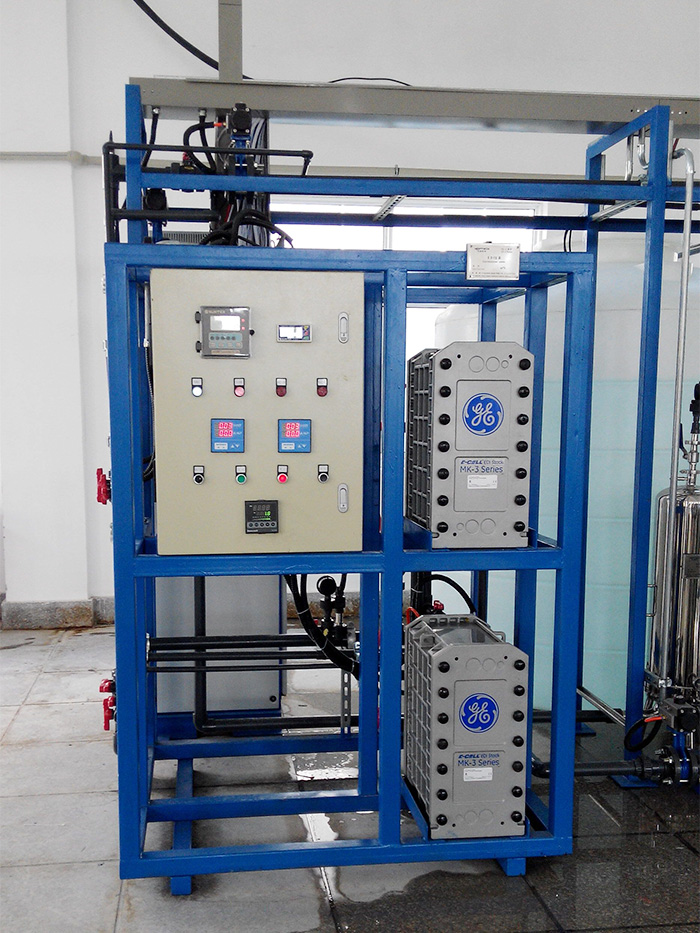
3. HAUTEK provides electrodeionization solutions for ultrapure water production. Electrodeionization (EDI) is a deionization technology to produce high purity water. It typically operates after a pretreatment and reverse osmosis process.
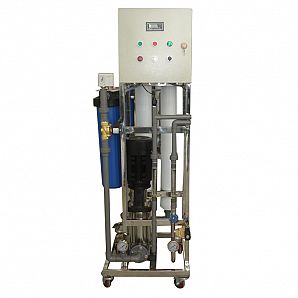
4. Description of control function: This system changes the corresponding output signal of the water inlet valve, high pressure pump, flushing valve and other actuators according to changes in input signals such as high pressure, low pressure, liquid level, reset, switch, etc., to automatically control a standard RO The system realizes pressure protection, liquid level control, start-up / full water / automatic flushing and other functions.
Running Data:
Inlet water quality: Any water source; Water temperature: 1~45℃
Seawater TDS: <10000mg/L Environmental temperature: 5~45℃
Elevation (max): 1000m Output water backpressure: <0.5bar
Specification:
Product water flow: 0.25~200m3/hour Product water resistivity: ≥18MΩ∙cm
Advantages of electrodeionization (EDI) over conventional Mixed Bed technology
In ion-exchange columns (cation, anion, mixed bed), the ion exchange capacity is limited and requires regeneration by acid and caustic. Electrodeionization operates without regeneration chemicals. The elimination of bulk chemical storage and neutralization systems reduces the footprint of the water treatment system. High purity water is produced continuously at competitive costs. The main benefits of EDI are:
* Elimination of regeneration chemicals
* Continuous operation = stable product water quality
* Small footprint
* Low capital and operating costs
* Effective redundancy
* Environment-friendly technology